Three shelves, three jobs
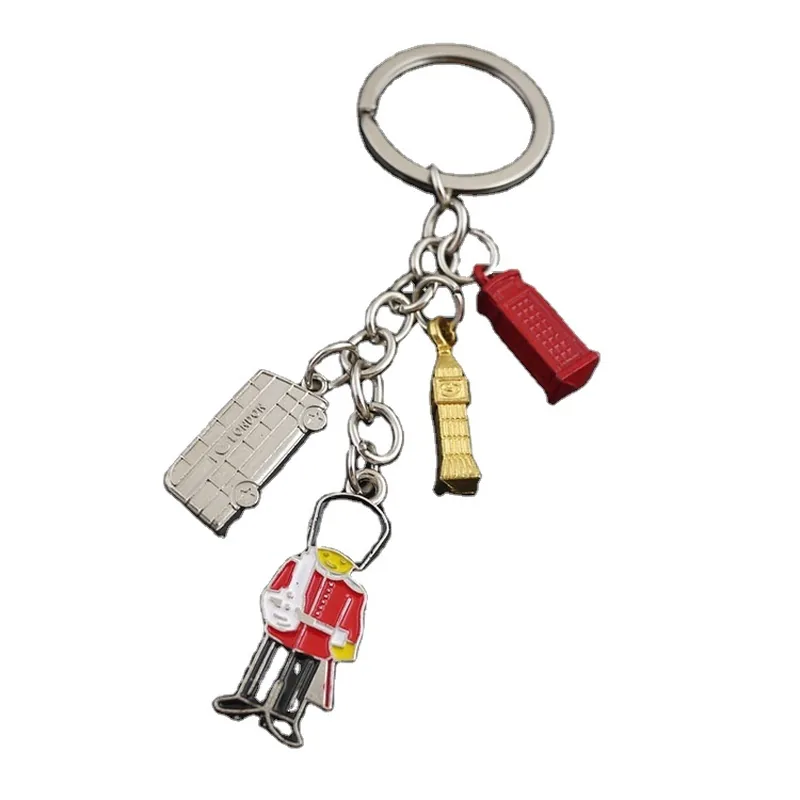
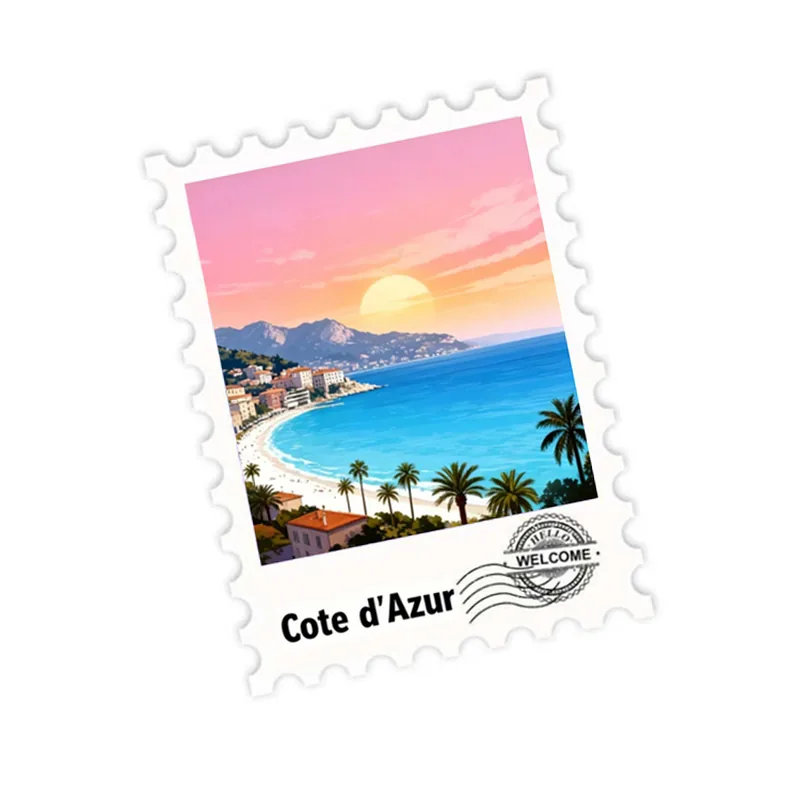
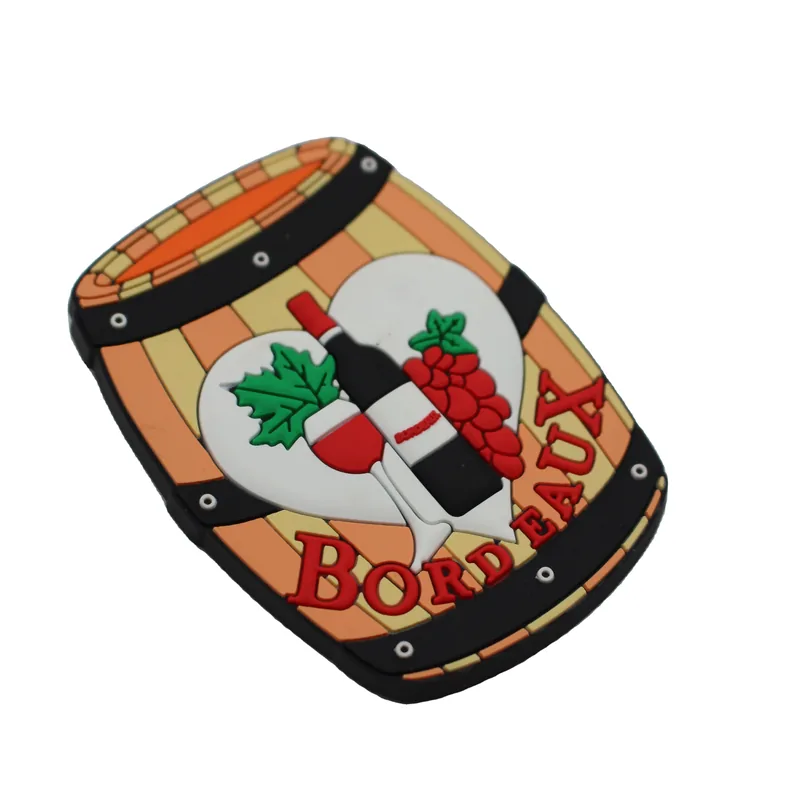
Counter products — magnets, keychains, postcards, pins — retail under €5, are bought on impulse and account for most units. Gift products — mugs, shot glasses, textiles, ornaments — retail at €8–25, are bought for someone else and carry the margin. Hero products — snow globes, plush, plates — set the tone of the window and justify a higher price ceiling for everything else.
Why custom beats stock on margin
Generic stock competes on price with every other shop. A design visitors only see in your shop is compared to nothing; it retails at 1.5–2× the generic price for a similar cost, and it does not go on sale when the shop next door discounts.
A range that works for one shop
- 6–8 magnet designs (landmarks, skyline, map, one humorous)
- 3–4 keychain designs, one of them cast metal as the hero keychain
- A postcard set of 8–12 motifs
- 2 mug designs, one gift-boxed
- A shot-glass set and a tote
- One hero: a snow globe or a plush character
That is roughly 1,500–2,500 pieces at the minimums and covers every price point without a warehouse.
What to track
Units per design per week, not revenue. The design that sells three a day in magnets is the one to put on a mug; the design that does not sell in a month is not worth reordering in any product.
Seasonality
Order 2–3 months before the peak; plan a Christmas corner from October even in summer destinations — ornaments and dated editions lift the shoulder season.